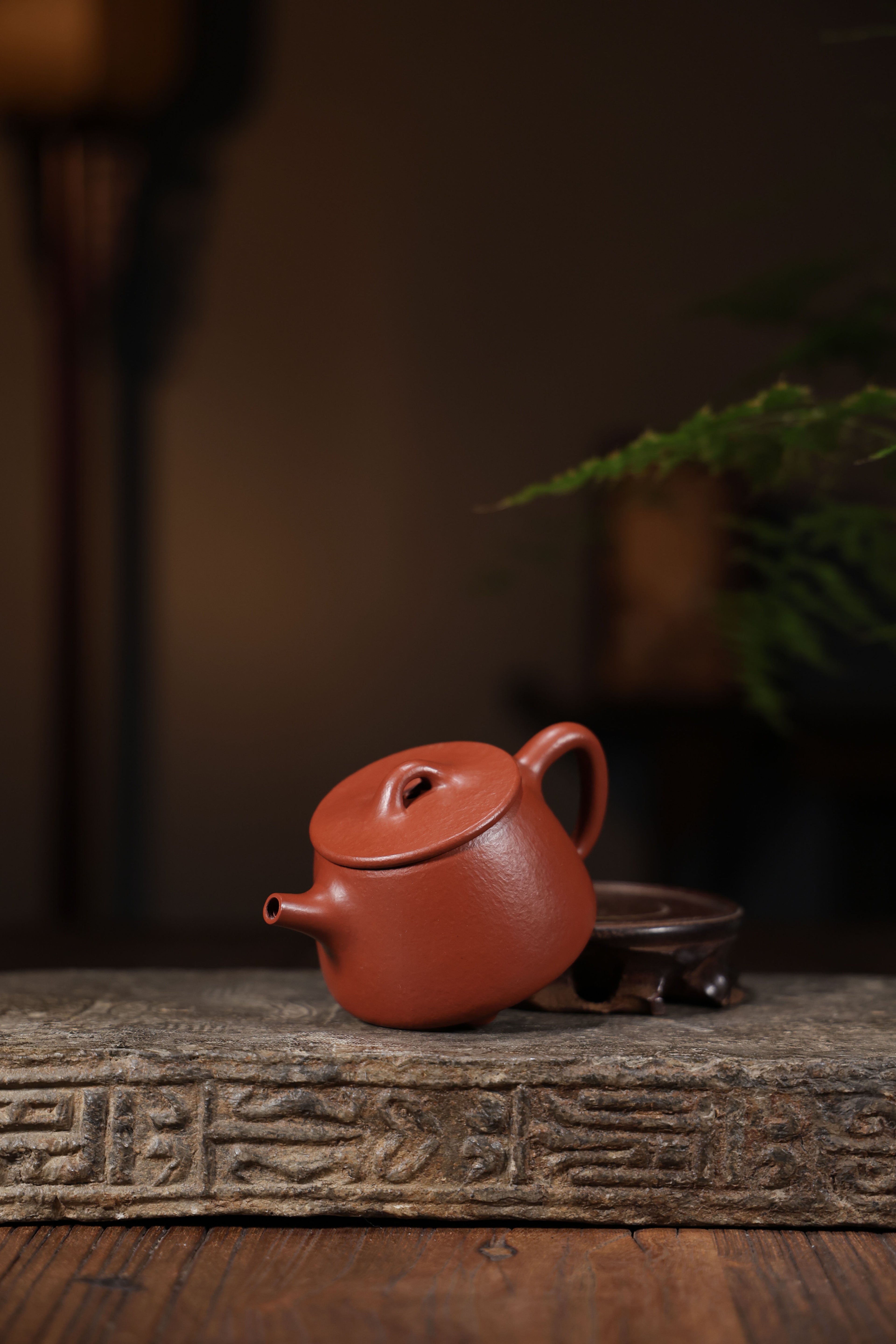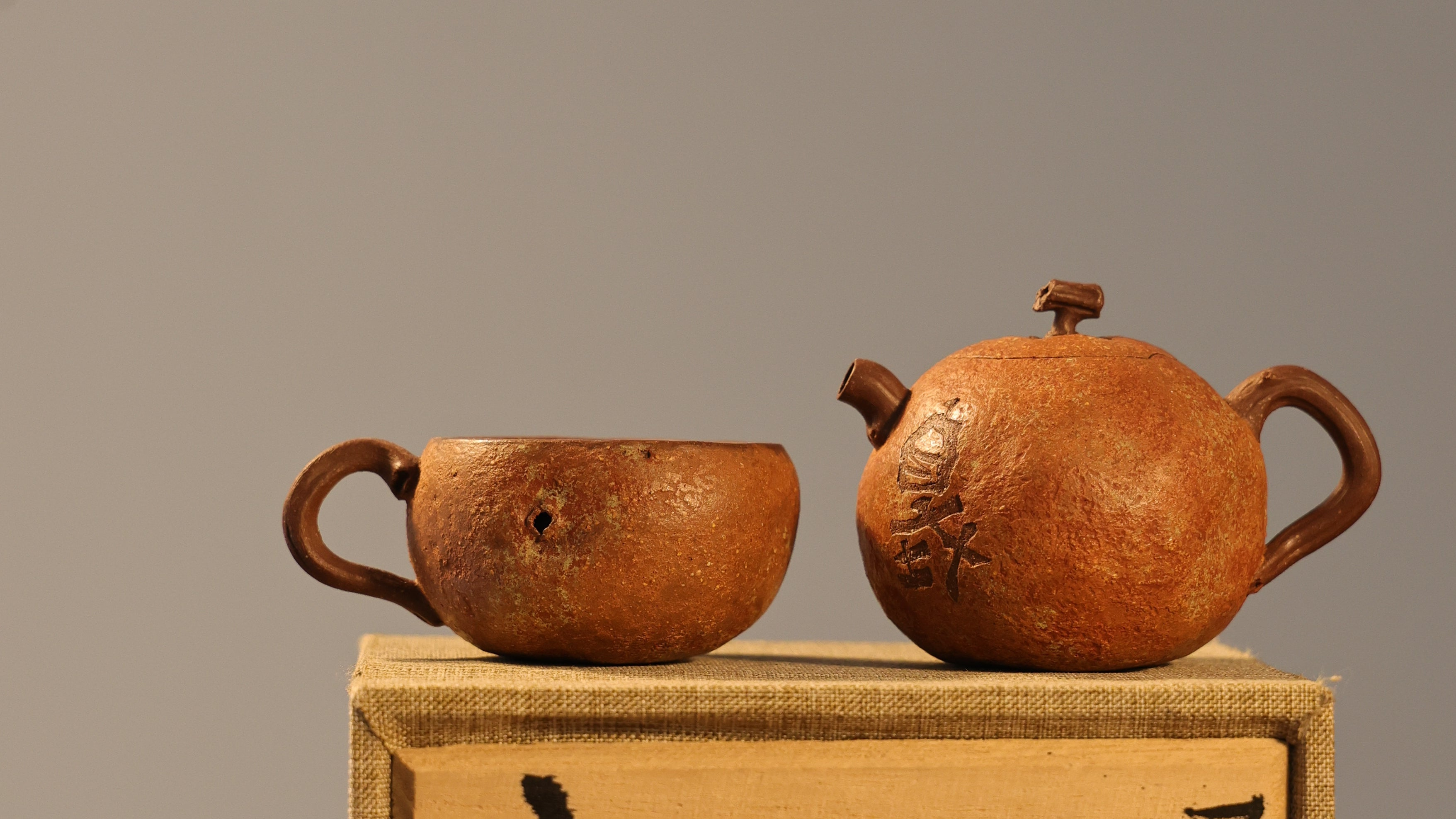
Everlasting background shapes Chinese mugs around epochs,
Expressing exclusive properties collected among territorial lavender elements, such pitchers yield a layer during consumption, amplifying profile yielded from made potions.
Recognizing Yixing Sediment: Exhaustive Insights into Zisha
Varied collectors value the incomparable grain of Yixing violet clay, a foundation of traditional Chinese workmanship. Springing from the Yixing region of Jiangsu province, this exquisite clay holds an elaborate mineral structure, that bestows amazing qualities to the crafted containers. Forms within Zisha, including Purple Mud, Duan Ni Mud, and Jiang Xi Mud, each demonstrates particular tints, consistencies, and baking traits, determining the diffusibility and the definitive savor development of the liquid.
Asiatic Teapot Rituals: Interpreting Creativity
Oriental teapots embody beyond mere flasks for drink; they express centuries of historical technique. From the celebrated Yixing clay variations, respected for their permeable nature which delivers unmatched flavors to the extract, to the subtle porcelain from Jingdezhen, each piece narrates a record of devotion. The development process is an careful journey, often relayed through lineages of professionals. These specialists use long-standing practices such as hand-building, shaping on wheels, and enhancing, demonstrating profound reverence for the material and the profession itself. Ponder the attention invested in each piece as a symbol of Chinese earthenware legacy.
- Southern vessels: a renowned option.
- Fine china teapots: distinguished by their delicate design.
- Shaping techniques: a challenging yet fruitful procedure.
Purple Clay Pot Care: Safeguarding Your Treasure
Appropriate tending of your precious Yixing Zisha kettle is crucial to safeguarding its integrity. Crafted from singular purple sand mud, these superior teapots develop a complex patina after practice, greatly boosting their allure. Eschew agents; a gentle rinse with mildly heated aqueous is adequate. Avoid searing water for purifying the teapot, as it may damage its surface. Allow it to evaporate moisture away from excessive solar rays. Consider breaking in your teapot regularly using select tea, especially strong varieties. Here is a brief guide:
- Wash with moderately heated hydrating medium.
- Withhold detergents.
- Let it to dry fully.
- Mature with choice tea.
Roots of Yixing Teapots: Foundational Periods
The record of Yixing teapots arises modestly during the Tang dynasty, approximately the 16th period. Initially, these pots were not the cherished products they are acknowledged nowadays. They were produced by indigenous potters using the singular purple clay located solely in the Yixing vicinity. These early items were largely utilitarian, meant for routine function and often basic in appearance. It was not until the Qing dynasty that they began to earn esteem beyond mere employable pieces.
Identifying the Appropriate Chinese Vessel: A Novice's Guide
Embarking the territory of Yixing teapots can be complex, but resist resisting! For starters, the most important factor is understanding the clay. Validated Yixing clay is prized for its transparency, allowing the teapot to take in the tea's aroma over time, enhancing every developing session. Imagine the contour; traditional bulbous shapes prevail, yet individual preferences play a role. Lastly, observe the glaze—while some favor an unfinished appearance, others adore a soft gloss. Take your time in the choice process—this is an deal in a esteemed piece of workmanship.
Zisha Pitchers and Their Role on Chinese Beverage Legacy
Zisha pots, hailing from Yixing, China, have profoundly dictated enduring Chinese beverage culture. The Yixing clay teapots, prized for their special complexion, consistency, and exceptional ability to impart a subtle taste to the concoction, act as more than mere vessels; they are cherished masterpieces and symbols of eminence. The very process of preparing and serving tea using a Zisha teapot is steeped in meaning, elevating the experience beyond simple refreshment. Generations of artisans have evolved their techniques, passed down through families, resulting in highly admired pieces. As a result, Zisha teapots are frequently held, playing a crucial part in cultivating regional appreciation for aesthetics and the custom of infusion ceremonies.
- Individual Clay Composition
- Transmitting Subtle Flavor
- Ornamental Craftsmanship
Distinguishing Verified Precious Local Pottery
Procuring a authentic Yixing teapot can be a satisfying experience, but the environment is often infested with frauds. Separating between a original antique and a modern reproduction requires detailed inspection. Key hints include the clay's rich brown shade, often displaying marked designs, and the lack of modern heating imprints. The configuration should look natural style, reflecting the traditional Yixing Chinese Teapot approach. Finally, studying the artist's symbol is crucial to verify truthfulness against certified sources.
- Assess the clay's structure.
- Look for inconsistencies, indicative of handcrafted quality.
- Engage an connoisseur for validation.
Investing in Chinese Containers: A Elaborate Guide to Purple Clay Interpretation
The sector of Traditional Zisha teapots presents a exceptional possibility for educated enthusiastic followers. Increasingly, the worth of these traditional artifacts is guided by diverse components, such as the rank of component, the dexterity of the potter, the cultural importance, and, naturally, the present demand. Novices should prioritize on studying the several kinds of Zisha clay—such as Glacial, Quiet Jug, and Ruby Mud—and exploring the aspects linked to each. Exact analysis of the earthenware's figure, shade, and stamp is additionally essential to make informed decisions when investing.